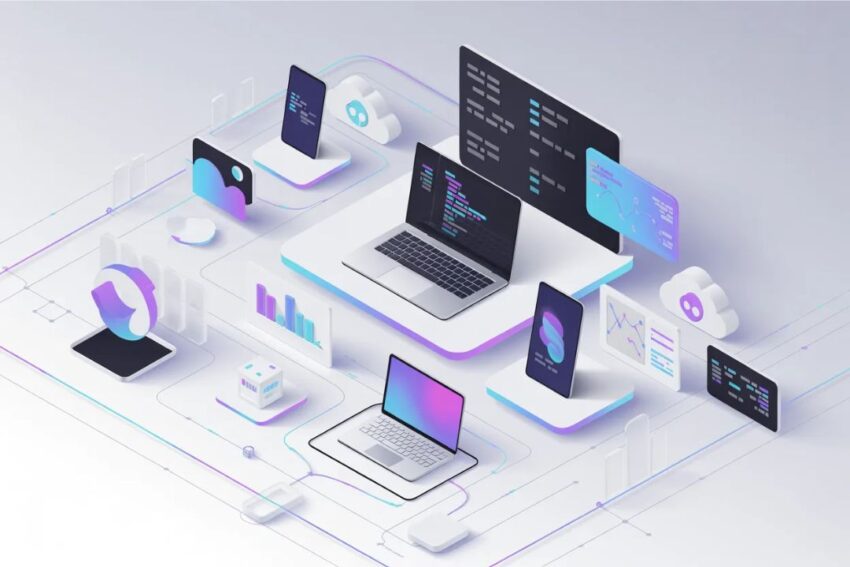
In 2026, productivity is no longer just about working harder — it’s about working smarter. As business environments become more digital, remote work continues to grow, and data fuels decision‑making, productivity software and tech tools have become essential for individuals and organizations alike. Whether you’re a student, a professional, a freelancer, or a business leader, the right tools can help you stay organized, collaborate efficiently, automate repetitive tasks, and unlock creative potential.
This long‑form guide explores the top software and tech tools for productivity in 2026, explaining what they do, why they matter, and how they can transform your workflow. We’ll cover tools for communication, project management, writing, automation, creativity, security, and personal productivity.
1. The New Era of Productivity: Web3, AI, and Integration
Productivity tools in 2026 aren’t just digital to‑do lists. They leverage cutting‑edge technologies including:
- Artificial Intelligence (AI) for automation, content creation, and insights
- Cloud‑based collaboration for seamless teamwork anywhere
- Integrated ecosystems that reduce task switching
- Data analytics for smarter planning and measurement
Rather than replace human effort, modern tools amplify it — helping teams do more with less time and effort.
2. Communication and Collaboration Tools
Clear communication is foundational to productivity. Whether your team works remotely, in‑office, or in hybrid mode, collaboration tools help keep everyone aligned.
2.1 Zoom GPT / AI‑Enhanced Video Conferencing
Even in 2026, video remains vital. Modern conferencing tools combine AI features like:
- Automated meeting summaries
- Intelligent action item detection
- Real‑time translation and transcription
Why it matters: Less time on note‑taking, more focus on action.
2.2 Slack with AI Assistants
Slack continues to evolve beyond chat, with AI‑powered features that:
- Summarize threads
- Generate task reminders
- Find past messages automatically
Slack integrates with calendars, email, and project tools — making your workspace a productivity hub.
2.3 Microsoft Teams Copilot
Microsoft Teams blends chat, video, and collaboration with AI:
- AI‑generated meeting highlights
- Contextual reminders
- Integrated task creation from conversations
For enterprises already in the Microsoft ecosystem, Teams remains a centerpiece.
3. Project and Task Management
Organizing work, tracking progress, and aligning teams require tools that go beyond simple checklists.
3.1 Notion AI
Notion is a flexible workspace, and AI supercharges it with:
- Generative pages and templates
- Intelligent database suggestions
- Automated summaries of long projects
Notion excels at both personal planning and team documentation.
3.2 ClickUp
ClickUp combines tasks, docs, goals, and time tracking. In 2026, ClickUp AI can:
- Suggest task breakdowns
- Predict project bottlenecks
- Generate reports automatically
Why it matters: All your work lives in one integrated hub.
3.3 Asana with Work Graph Intelligence
Asana uses Work Graph data for smarter planning:
- Visualization of dependencies
- Automated timeline adjustments
- AI‑powered risk alerts
For growing teams and complex projects, Asana scales without losing simplicity.
4. Writing, Content, and Creativity Tools
Creating high‑quality content — from reports to marketing materials — is essential in today’s digital world.
4.1 ChatGPT / AI Writing Assistants
AI writing tools help with:
- Drafting proposals and emails
- Brainstorming ideas
- Translating and localizing content
- Improving tone and clarity
Using AI can save hours of writing time while increasing quality and consistency.
4.2 GrammarlyGO
Grammarly has expanded beyond proofreading to become a full writing partner:
- Style and tone suggestions
- Genre‑specific writing modes
- Plagiarism checks
- Collaboration features
Whether writing for business or creative work, GrammarlyGO helps you write with confidence.
4.3 Canva AI / Design Assistants
Design tools like Canva now integrate AI for:
- Auto‑layout and design suggestions
- Smart resizing for multi‑platform content
- Brand kits with consistent color and typography
- AI‑generated graphics and animations
You don’t need to be a designer to produce professional visuals.
5. Automation and Workflow Tools
Automation frees time by handling repetitive tasks and data flows across apps.
5.1 Zapier and the Rise of AI Automations
Zapier connects apps and automates workflows. In 2026, AI automations can:
- Predict the next logical task
- Automate multi‑step workflows with minimal setup
- Trigger actions based on behavior and data trends
Why it matters: Less manual work, fewer errors, and more time for meaningful tasks.
5.2 IFTTT and Smart Integrations
IFTTT (“If This Then That”) extends automation into:
- Personal productivity (home, reminders, data sync)
- Smart device control
- Cross‑platform triggers
It’s especially useful for individual users who want simple automation.
5.3 AI Bot Assistants
AI bots can manage:
- Scheduling
- Email triage
- Data entry
- Customer responses
These assistants are available across platforms and can significantly reduce administrative overhead.
6. Personal Productivity and Focus Tools
Staying productive also means managing attention and avoiding burnout.
6.1 Todoist with AI Priority Scoring
Todoist helps you manage tasks with smart features:
- Next‑action suggestions
- Deadline risk alerts
- AI‑based prioritization
For individuals and teams alike, Todoist is a simple yet powerful task manager.
6.2 Forest / Focus Timers
Focus tools help you block distractions and improve concentration:
- Pomodoro timers
- Focus streak tracking
- Gamified productivity incentives
These tools are great for students, writers, programmers, and knowledge workers.
6.3 RescueTime
RescueTime tracks:
- Screen time
- App usage patterns
- Productivity trends
The tool provides reports and suggestions to optimize your daily workflow.
7. Security, Privacy, and Identity Tools
Security is foundational to productivity — a breach can cost time, money, and trust.
7.1 1Password / Passkey Managers
Managing passwords is critical. Tools like 1Password now support:
- Passkeys (passwordless login)
- Zero‑trust encryption
- Shared vaults for teams
Productivity increases when you don’t waste time on password resets.
7.2 VPNs and Secure Browsing Tools
VPNs protect your data on public and private networks and help maintain:
- Privacy
- Location security
- Safe browsing
Popular options: NordVPN, ExpressVPN, ProtonVPN.
7.3 Endpoint Protection + AI Monitoring
Modern security tools use AI to:
- Detect threats before they cause damage
- Alert users about risky behavior
- Isolate compromised systems
Security tools protect devices without interrupting workflows.
8. Cloud Storage and Sync Services
Cloud storage enables access from anywhere and prevents data loss.
8.1 Google Drive / OneDrive / Dropbox
Cloud services offer:
- Document collaboration
- Version history
- Cross‑device sync
- Large storage capacity
Integrated with productivity apps, they keep your work accessible everywhere.
8.2 Evernote and Smart Notes
Note‑taking tools sync across platforms and can now:
- Tag notes automatically
- Summarize content
- Convert voice to text
For researchers, writers, and professionals, smart notes are a productivity multiplier.
9. Data Analytics and Decision Support Tools
Data‑driven decisions are faster and more accurate with the right software.
9.1 Microsoft Power BI
Power BI helps organizations visualize trends, generate dashboards, and:
- Share insights in real time
- Explore AI‑generated analytics
- Automate reports
Data isn’t useful until it helps you make decisions.
9.2 Google Analytics 4
For web and app performance, Google Analytics provides:
- Audience insights
- Conversion tracking
- Predictive metrics
- AI‑generated recommendations
Marketers and business owners rely on data to steer strategy.
10. Specialized Productivity Tools by Role
10.1 For Writers and Authors
- Scrivener (long‑form writing)
- Ulysses (distraction‑free environment)
- Scapple (mind mapping)
10.2 For Developers
- GitHub Copilot (AI code completion)
- Visual Studio Code (IDE productivity)
- Docker (container workflows)
10.3 For Designers
- Figma (collaborative design system)
- Adobe Creative Cloud with AI
- Procreate (digital sketching on tablets)
10.4 For Educators and Students
- Khan Academy with AI tutors
- Quizlet AI study guides
- Google Classroom / Canvas LMS
11. Best Practices for Adopting Productivity Tools
Choosing tools is only half the battle — using them effectively matters.
11.1 Focus on Integration
Tools work best when they connect. Choose software that integrates with your ecosystem to prevent siloed workflows.
11.2 Start Small
Adopting too many tools at once creates fatigue. Begin with core tools (communication, project management, and storage) before expanding.
11.3 Automate Repetitive Tasks
Use automation tools to reduce manual work — especially for data entry, reminders, and notifications.
11.4 Keep Security Top of Mind
Productivity means nothing if data is compromised. Regular updates, MFA, and secure settings are essential.
11.5 Conduct Regular Reviews
Workflows change; your tools should adapt too. Review periodically to retire unused tools and adopt better ones.
12. The Role of AI in Productivity Tools
In 2026, AI is not a gimmick — it’s a productivity backbone. Key AI capabilities include:
- Automated writing and summarization
- Intelligent task prioritization
- Predictive analytics for planning
- AI assistants for scheduling and reminders
- Threat detection for security tools
AI makes tools adaptive rather than reactive.
13. Challenges and Considerations
While productivity tools offer huge benefits, challenges include:
- Over‑reliance on tech — distraction or overload
- Privacy concerns — data stored in the cloud
- Learning curves — training needed for teams
- Cost management — subscription fees across tools
Balancing benefits and potential downsides ensures effective productivity.
14. What Productivity Will Look Like in the Future
Looking beyond 2026, productivity will likely evolve with:
- AI agents that complete tasks autonomously
- More natural interfaces (voice, AR/VR)
- Trust and privacy‑first ecosystems
- Deeper cross‑platform integrations
Rather than tools, we’ll use intelligent collaborators that anticipate needs.
15. Conclusion
Productivity in 2026 is defined by intelligence, integration, and user empowerment. The best software and tech tools are those that reduce manual work, support collaboration, ensure security, and adapt to users’ workflows. From communication platforms and project management tools to automation assistants and AI‑powered creators, the productivity landscape is richer than ever — but it requires thoughtful adoption.
By choosing the right tools and aligning them with your goals, you can work faster, smarter, and with more impact — whether you’re a student, entrepreneur, remote worker, or corporate leader.